
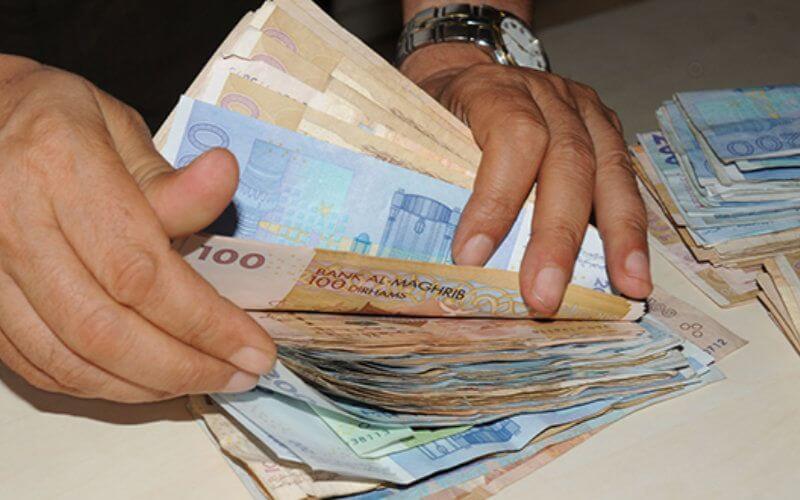
Morocco operates two minimum wage systems: the SMIG for the non-agricultural private sector and the SMAG for agricultural workers. Both are set by the government, revised periodically by royal decree, and mandatory from the effective date of any increase. Paying below the applicable minimum wage exposes the employer to Code du Travail penalties and retroactive back-pay liability. For global HR teams managing Morocco payroll, understanding exactly what the minimum wage covers, how seniority supplements interact with it, and what “gross” means in the Moroccan context is essential before you finalise any employment offer.
AFRICA DEPLOYMENTS MOROCCO S.A.R.L., the registered employer entity operating from Casablanca under RC 700049, incorporates the current SMIG and SMAG rates into every payroll run and every employment contract it issues. Any government-mandated revision is applied from its effective date without client intervention.
What Is the SMIG in Morocco?
The SMIG (Salaire Minimum Interprofessionnel Garanti) is Morocco’s minimum wage for private sector non-agricultural workers. It applies to all sectors covered by the Code du Travail and is calculated on the basis of the standard 44-hour working week.
As of 2026, the SMIG is approximately MAD 3,111 per month for a standard 44-hour week, equivalent to approximately MAD 17.84 per hour. These figures are subject to periodic revision by the government and must be verified against the applicable decree in force at the time of any new hire or contract renewal.
Important caveat: The SMIG is the floor. Collective agreements (conventions collectives) in certain sectors set higher minimum rates for defined job classifications. Always check whether a sector-specific convention applies to your employees’ roles.
What Is the SMAG in Morocco?
The SMAG (Salaire Minimum Agricole Garanti) is the minimum wage for agricultural workers. It is set at a lower rate than the SMIG, reflecting the different structure of agricultural employment in Morocco. Agricultural employers must apply the SMAG to all workers engaged in qualifying agricultural activities, regardless of the employer’s size or the worker’s contract type.
How Do Seniority Bonuses Interact With the Minimum Wage?
The Code du Travail requires employers to pay seniority increments on top of basic salary. These are mandatory, not discretionary:
| Years of Service | Seniority Supplement (on Basic Salary) |
| 2 years | 5% |
| 5 years | 10% |
| 12 years | 15% |
| 20 years | 20% |
| 25 years | 25% |
Here’s the thing: the SMIG is the minimum basic salary. The seniority supplement is calculated on top of basic salary. An employee at the SMIG rate who has served 5 years is entitled to the SMIG plus 10%. Paying the SMIG alone to a long-tenured employee is a Code du Travail violation.
What Counts as “Gross Salary” for SMIG Compliance Purposes?
The SMIG refers to basic salary before any allowances, benefits, or supplements. Expense reimbursements, transport allowances, and performance bonuses that vary per period are generally not included in the SMIG calculation. However, guaranteed monthly supplements paid consistently may be treated as part of remuneration. The legal treatment depends on the nature and regularity of each payment, and this is an area where in-country HR expertise is worth its cost.
What Are the Penalties for Paying Below the SMIG?
An employer caught paying below the SMIG faces Code du Travail penalties and must pay the difference retroactively to affected employees, with interest, from the date the underpayment began. Labour inspectors (inspecteurs du travail) have authority to audit payroll records and issue compliance notices. Persistent violations can result in criminal prosecution of responsible company directors under Moroccan law.
Does the SMIG Apply to Foreign Nationals Working in Morocco?
Yes. The SMIG applies to all employees in Morocco regardless of nationality. A foreign national employed in Morocco through a Code du Travail-compliant contract, whether CDI or CDD, is entitled to the SMIG as a minimum salary floor. There is no exception for expatriate employees or employees on international assignment.
What Happens When the SMIG Is Revised?
When the government issues a new SMIG decree, all employers must apply the revised rate from the effective date stated in the decree. There is no grace period. Existing employment contracts do not need to be formally amended if the salary already exceeds the new SMIG: the contractual salary stands. But for employees paid at the previous SMIG floor, the salary must be increased immediately.
Morocco’s Haut Commissariat au Plan (HCP) publishes economic and labour market data including wage statistics and cost-of-living benchmarks relevant to employers setting compensation packages for Morocco hires.
Rule of Thumb on Minimum Wage Compliance
Never offer a Morocco gross salary that is exactly at the SMIG floor unless you are also accounting for the seniority supplement trajectory over time. An employee hired today at the SMIG will require a 5% increase at their two-year mark. Budget for it from day one.