
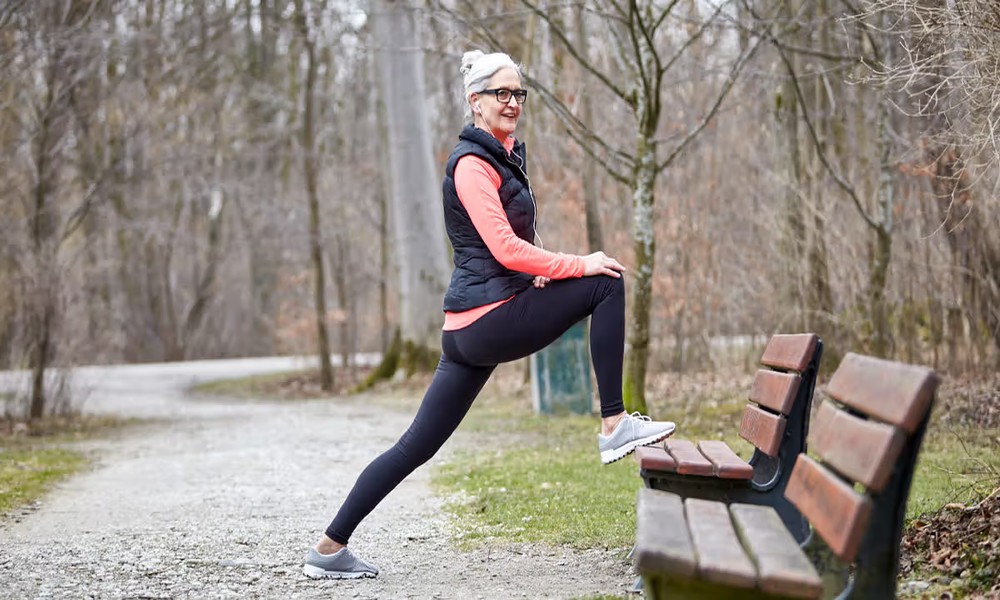
Arthritis pain can shape daily routines in ways that feel frustrating and limiting. Simple tasks such as walking, holding objects, or even resting at night may become uncomfortable. Yet, many people continue to lead active and fulfilling lives by adopting practical strategies that support joint health and reduce discomfort.
Relief does not rely on drastic lifestyle changes alone. A balanced approach that combines professional care, mindful habits, and well-informed Arthritis Treatment Options can create a steady path toward comfort. This article explores practical ways to ease joint pain while maintaining a smooth and active daily routine.
Build a Supportive Daily Routine
Consistency plays a major role in joint comfort. A structured day allows the body to adapt and respond better to physical demands. Small adjustments in routine can reduce stress on joints and support long-term relief.
A balanced schedule includes proper rest, light activity, and moments of relaxation. Sleep quality also matters. A supportive mattress and correct pillow height can reduce pressure on sensitive areas. Gentle morning stretches can prepare joints for the day ahead without strain.
Simple habits such as sitting with proper posture or taking short breaks during repetitive tasks can prevent unnecessary discomfort. A routine that respects the body’s limits often leads to better mobility and reduced stiffness.
Choose Movement That Feels Right
Physical activity remains essential for joint health. The key lies in selecting exercises that support flexibility and strength without excess strain. Low-impact activities often provide the best results.
Helpful Exercise Options
- Walking on even surfaces to maintain joint motion
- Swimming or water exercises that reduce pressure on joints
- Light strength exercises that support muscles around joints
- Stretch routines that improve flexibility
A trained physiotherapist can guide proper techniques and ensure safe progress. Professional advice helps avoid incorrect movements that may worsen pain. Regular activity, even in small amounts, contributes to better joint function over time.
Focus on Balanced Nutrition
Diet plays a quiet but powerful role in joint health. Certain foods can support the body’s natural response to inflammation, while others may increase discomfort.
A balanced plate rich in fruits, vegetables, whole grains, and healthy fats supports overall wellness. Omega-3 fatty acids found in foods such as flaxseeds and walnuts may assist in joint comfort. Adequate hydration also keeps tissues healthy and supports joint lubrication.
Calcium and vitamin D contribute to bone strength, which remains important for people with arthritis. Consultation with a healthcare provider can help tailor dietary choices based on individual needs.
Make Smart Use of Heat and Cold Therapy
Temperature-based methods can offer quick relief for joint pain. Heat therapy helps relax muscles and improve blood flow, while cold therapy reduces swelling and numbs sharp discomfort.
Warm showers, heating pads, or warm compresses can ease stiffness, especially in the morning. Cold packs can provide relief after physical activity or during flare-ups. The right method depends on the type and intensity of pain.
A healthcare professional can recommend suitable approaches based on specific conditions. Proper use ensures safety and enhances the effectiveness of these simple techniques.
Seek Professional Care and Guidance
Expert support plays a vital role in long-term relief. Medical professionals can assess the condition accurately and suggest tailored plans that align with individual needs.
Key Professional Services
- Physiotherapy sessions for guided movement and strength improvement
- Pain management programs that include safe medication use
- Occupational therapy for daily task adjustments
- Regular check-ups to track progress and modify treatment plans
Access to professional care ensures that pain management strategies remain effective and safe. It also helps prevent complications that may arise from incorrect self-care methods.
A well-structured plan often includes a mix of therapies that work together. This approach provides better results than reliance on a single method.
Adapt Everyday Tasks for Comfort
Simple changes in daily activities can reduce strain on joints. Thoughtful adjustments allow individuals to complete tasks with ease and less discomfort. Use of supportive tools such as ergonomic chairs, cushioned footwear, and assistive devices can improve comfort during routine activities. Proper body mechanics during lifting or bending can prevent unnecessary pressure on joints. Breaking tasks into smaller steps can also help conserve energy. A balanced approach to activity and rest ensures that joints receive adequate recovery time.
Near the later stages of care, awareness of suitable Arthritis Treatment Options becomes even more valuable. These options often include a combination of therapies that address both symptoms and long-term joint health. A healthcare provider can help identify the most appropriate choices based on the condition’s progression and individual lifestyle.
Arthritis pain does not have to define daily life. Practical strategies, professional care, and mindful habits can create a strong foundation for comfort and mobility. Each small step contributes to better joint health and improved quality of life. A thoughtful approach that blends routine, nutrition, movement, and expert guidance offers lasting relief. Consistency and awareness remain key to success. With the right support and choices, it becomes possible to manage pain effectively and maintain an active, fulfilling lifestyle.