
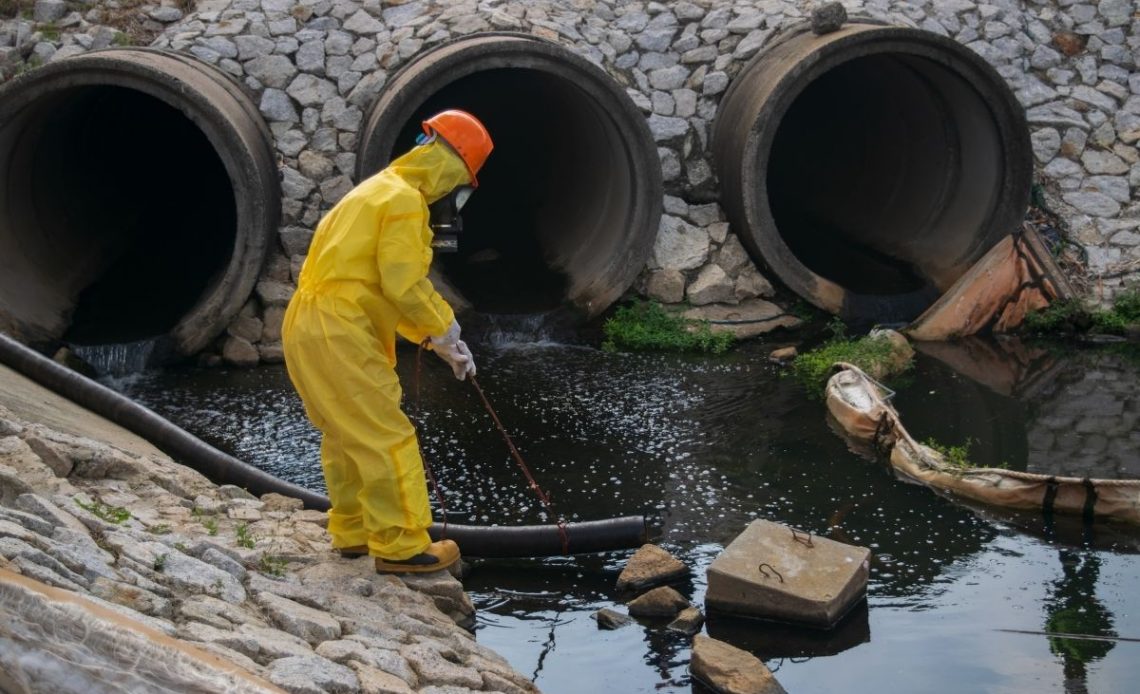
When hazardous materials contaminate a property, the situation can feel overwhelming for business owners and community members. The soil, water, and air around us deserve protection, yet industrial accidents and improper disposal practices continue to create risks. Environmental remediation services exist specifically to address these concerns through scientific methods and careful planning.
These specialized teams possess the knowledge to handle various types of hazardous waste while returning affected areas to safe conditions. Their work protects ecosystems, safeguards public health, and helps property owners meet legal obligations. Understanding how these professionals tackle different waste categories provides insight into their vital role in environmental protection.
Ignitable Hazardous Waste
Ignitable waste includes substances that can easily catch fire under certain conditions, creating immediate dangers for any location. Common examples include used solvents, paint thinners, and certain industrial byproducts with low flashpoints. Environmental remediation teams first assess the specific characteristics of the ignitable material present on site. They then establish strict safety perimeters to prevent accidental ignition during the cleanup process. Specialized equipment allows these professionals to transfer and contain flammable liquids without creating sparks. The final step involves transporting the waste to permitted facilities equipped to handle such materials through incineration or fuel blending programs.
Corrosive Hazardous Waste
Materials that can eat through containers and harm living tissue fall into the corrosive waste category, with battery acid and industrial cleaners serving as prime examples. These substances require neutralization before any safe disposal can occur at designated facilities. Remediation experts test the pH levels of contaminated areas to determine the extent of corrosive damage. They apply specific neutralizing agents that transform dangerous acids or bases into harmless compounds. Protective gear becomes essential for workers handling these materials to prevent severe chemical burns. The neutralized waste then meets regulatory standards for transport to approved disposal locations.
Reactive Hazardous Waste
Some waste products become unstable when exposed to air, water, or other common substances, creating explosion risks. Old explosives, cyanide-bearing wastes, and certain peroxide compounds exemplify this hazardous category. Remediation professionals approach reactive materials with extreme caution, often working in isolated areas away from populated zones. They identify potential triggers that could cause violent reactions and eliminate those factors before beginning work. Special containment vessels allow for the secure transport of materials that cannot be treated on site. Chemical stabilization techniques may also transform reactive compounds into safer forms for disposal.
Toxic Hazardous Waste
Toxic substances pose serious health threats through inhalation, ingestion, or skin contact, even in small quantities. Heavy metals like lead and mercury, certain pesticides, and industrial chemicals fall into this broad category. Environmental teams conduct thorough sampling to map the exact boundaries of toxic contamination across soil and water. They then select appropriate removal methods, such as excavation for contaminated soil or carbon filtration for affected groundwater. All extracted materials require careful packaging and labeling according to strict transportation regulations. Laboratory analysis confirms that cleanup efforts have successfully reduced toxin levels to acceptable standards.
Environmental remediation services provide essential protection against the dangers posed by various types of hazardous waste. Their systematic approach to ignitable, corrosive, reactive, and toxic materials ensures thorough cleanup while prioritizing worker and community safety. Property owners benefit from reduced liability when trained professionals handle these complex waste streams properly. The specialized knowledge these teams bring allows for efficient resolution of contamination issues that might otherwise persist for years. Regulatory compliance becomes achievable through their understanding of proper testing, treatment, and disposal protocols. Communities ultimately gain healthier environments when remediation experts apply their skills to hazardous waste challenges.